.png?w=128&h=128)
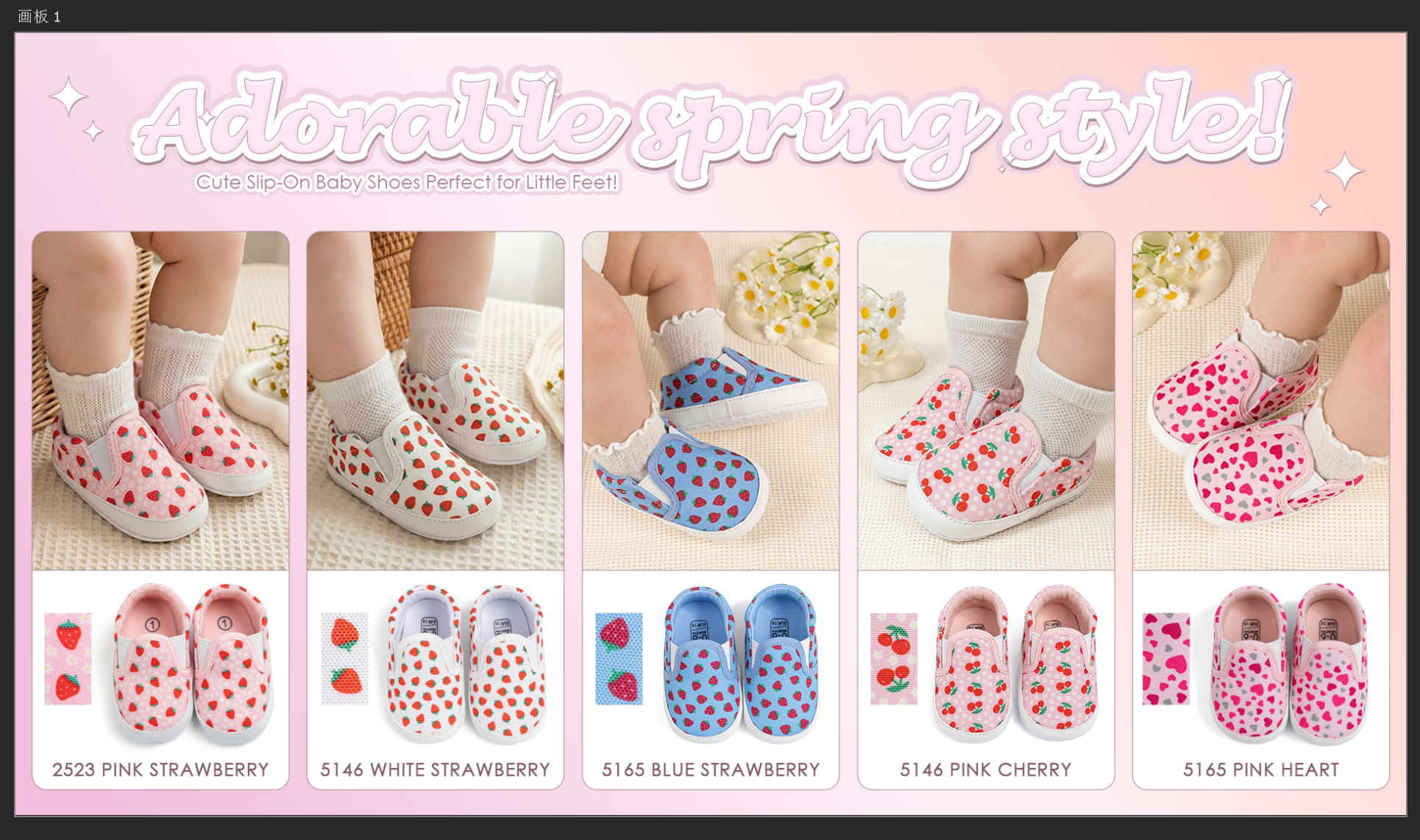
How to Choose Toddler Shoes: A Parent’s Guide to Healthy Foot Development
Why this works:
- ✅ Primary keyword “toddler shoes” at the front
- ✅ Under 60 characters for full SERP display
- ✅ Power words: “Guide,” “Healthy,” “Parent’s”
- ✅ Matches informational search intent
- ✅ Implies comprehensive coverage
Meta Description
Meta Description:
Learn how to choose toddler shoes that support healthy foot development. Discover expert tips on fit, materials, and sizing. Shop quality kids sneakers at BabyKidsShoes.com.
Elements included:
- ✅ Primary keyword “toddler shoes”
- ✅ Secondary keyword “kids sneakers”
- ✅ Value proposition (expert tips, healthy development)
- ✅ CTA with brand mention
Table of Contents
- Why Proper Toddler Shoes Matter
- When to Buy Your Child’s First Shoes
- Key Features of Healthy Toddler Shoes
- Understanding Children’s Shoe Sizes
- Materials Matter: What to Look For
- Common Mistakes Parents Make
- Top Toddler Shoe Recommendations for 2024
- FAQ: Toddler Shoes Answered
- Conclusion: Step Into Healthy Development
H1: How to Choose Toddler Shoes: A Parent’s Guide to Healthy Foot Development
This article is for parents of toddlers (ages 1-3) who are navigating the important milestone of buying their child’s first walking shoes. Whether your little one is taking their first wobbly steps or running circles around the playground, choosing the right toddler shoes is crucial for healthy foot development.
The perfect pair of toddler shoes should have a flexible sole, proper arch support, breathable materials, and approximately 0.5 to 0.75 inches of growing room at the toe. Research from the American Podiatric Medical Association shows that ill-fitting baby footwear during formative years can lead to foot problems later in life, including bunions, hammertoes, and posture issues.
Key Takeaways
- Wait until walking outdoors regularly before buying structured shoes; barefoot is best indoors
- Measure both feet every 2-3 months—toddlers’ feet grow approximately 1.5mm per month
- Choose flexible, breathable materials like leather or mesh with rubber soles
- Avoid hand-me-downs that have molded to another child’s foot shape
- Replace shoes every 3-4 months or when you notice wear patterns on the sole
H2: Why Proper Toddler Shoes Matter
Your toddler’s feet are not just smaller versions of adult feet—they’re fundamentally different. A baby’s foot contains 22 partially developed bones that will eventually fuse into 26 adult bones. During the first three years, these bones are soft cartilage that gradually ossifies (hardens).
Dr. Jane Andersen, a board-certified podiatrist and spokesperson for the American Podiatric Medical Association, explains: “The first three years are critical for foot development. The right baby footwear provides protection while allowing natural movement and muscle development.”
Poorly designed kids sneakers can:
- Restrict natural foot movement and muscle development
- Cause blisters, calluses, and ingrown toenails
- Lead to long-term alignment issues affecting knees, hips, and spine
- Create aversions to walking or physical activity
H2: When to Buy Your Child’s First Shoes
H3: The Barefoot Advantage
Before your child walks outdoors regularly, barefoot is best. Walking barefoot indoors helps toddlers:
- Develop proprioception (awareness of body position)
- Strengthen foot muscles and arches naturally
- Improve balance and coordination
- Learn proper gait mechanics
H3: Signs Your Toddler Is Ready for Shoes
Transition to structured walking shoes for toddlers when:
- Your child walks confidently without support
- Walking occurs regularly outside the home
- Surfaces are potentially hazardous (hot pavement, rough terrain)
- Weather requires foot protection
Average timeline: Most children take their first steps between 9-12 months and need their first pair of toddler shoes between 12-18 months.
H2: Key Features of Healthy Toddler Shoes
H3: Flexibility Test
Quality toddler shoes should bend at the ball of the foot, not the middle. Perform the flex test: hold the shoe at the heel and press the toe toward the floor. It should flex easily at the widest point.
H3: Proper Fit Guidelines
| Measurement | Specification |
|---|---|
| Toe room | 0.5-0.75 inches (thumb-width) between longest toe and shoe end |
| Width | No bulging at sides; pinky toe should sit flat |
| Heel fit | Snug but not tight; heel shouldn’t slip when walking |
| Instep height | Enough room for high insteps without pressure |
H3: Sole Construction
Look for these sole characteristics:
- Rubber outsoles for durability and grip
- Non-slip tread patterns for safety on various surfaces
- Flexible forefoot for natural toe-off motion
- Flat heel (no elevation) to maintain proper posture
H2: Understanding Children’s Shoe Sizes
Toddler shoe sizing can confuse even experienced parents. Here’s what you need to know:
H3: US Toddler Shoe Size Chart
| Age Range | US Size | Foot Length (inches) | Foot Length (cm) |
|---|---|---|---|
| 0-3 months | 0-1 | 3.25-3.5 | 8.3-8.9 |
| 3-6 months | 2 | 3.75 | 9.5 |
| 6-9 months | 3 | 4.125 | 10.5 |
| 9-12 months | 4 | 4.5 | 11.4 |
| 12-18 months | 5 | 4.75 | 12.1 |
| 18-24 months | 6 | 5.125 | 13.0 |
| 2-2.5 years | 7 | 5.5 | 14.0 |
| 2.5-3 years | 8 | 5.75 | 14.6 |
| 3-3.5 years | 9 | 6.125 | 15.6 |
H3: Measuring Tips
- Measure in the evening when feet are largest
- Use a Brannock device or printable sizing chart
- Measure both feet and fit to the larger size
- Check fit every 2-3 months—toddlers’ feet grow 1.5mm monthly on average
H2: Materials Matter: What to Look For
H3: Best Upper Materials
Leather: Durable, breathable, molds to foot shape. Ideal for everyday toddler shoes.
Canvas/Mesh: Lightweight, breathable, machine-washable. Perfect for warm weather and active play.
Synthetic blends: Often more affordable and water-resistant, but less breathable.
H3: Interior Considerations
- Seamless interiors prevent irritation and blisters
- Removable insoles allow for cleaning and orthotic inserts if needed
- Moisture-wicking lining keeps feet dry and comfortable
- Padded collars protect ankles and prevent rubbing
H2: Common Mistakes Parents Make
H3: Buying Too Big
Oversized shoes cause tripping, blisters, and compensatory gait changes. That “room to grow” should be 0.5-0.75 inches maximum, not a full size larger.
H3: Prioritizing Style Over Function
Those light-up kids sneakers with rigid soles might delight your toddler, but they often lack proper support. Choose function first, then find attractive options within quality parameters.
H3: Using Hand-Me-Downs
Secondhand baby footwear has molded to another child’s foot shape and walking pattern. This can force your toddler’s feet into unnatural positions. Always buy new shoes for developing feet.
H3: Ignoring Wear Patterns
Check soles monthly. Uneven wear indicates:
- Outer edge wear: Supination (rolling outward)
- Inner edge wear: Pronation (rolling inward)
- Toe wear: Dragging gait—may indicate shoes are too heavy or stiff
H2: Top Toddler Shoe Recommendations for 2024
Based on podiatrist recommendations and parent reviews, here are the best categories of toddler shoes:
H3: Best First Walking Shoes
Look for brands specializing in early walkers with:
- Ultra-flexible soles
- Wide toe boxes
- Adjustable closures (velcro or laces)
H3: Best Active Play Shoes
For running, climbing, and playground adventures:
- Reinforced toe caps
- Grippy rubber outsoles
- Breathable mesh uppers
- Easy-on designs
H3: Best Dress Shoes
For special occasions without sacrificing foot health:
- Soft leather construction
- Flexible soles (avoid hard, rigid dress shoes)
- Cushioned insoles
- Secure fastenings
H2: FAQ: Toddler Shoes Answered
H3: How often should I replace my toddler’s shoes?
Replace toddler shoes every 3-4 months or sooner if you notice:
- Toes touching the shoe end
- Worn or uneven sole patterns
- Torn materials or broken closures
- Complaints of discomfort
H3: Are expensive toddler shoes worth it?
Quality matters more than price. Mid-range toddler shoes ($30-60) from reputable brands often provide the same foot health benefits as premium options. Avoid bargain shoes ($10-15) with rigid soles and poor construction.
H3: Should toddlers wear shoes indoors?
Barefoot is best indoors on safe surfaces. It promotes natural foot development, balance, and coordination. Use soft-soled slippers or socks with grips only if flooring is cold or slippery.
H3: How do I know if shoes fit properly?
Perform these checks:
- Thumb test: Press thumb at toe—should feel 0.5-0.75 inches space
- Pinky test: Sides shouldn’t bulge or press on pinky toe
- Heel test: Shoe shouldn’t slip when child walks
- Observation: Watch your child walk—no limping, tripping, or complaints